When investing in a vacuum furnace, the first question is often: “What is the price? Where can I find a high-quality, low-cost vacuum furnace?”
It is understandable that businesses aim to optimize costs by seeking low-cost initial investments. However, the initial purchase price is only a small fraction of the true cost.
The concept that businesses should prioritize is Total Cost of Ownership (TCO) – the total cost of owning and operating equipment throughout its entire lifecycle.
What Makes Up the TCO of a Vacuum Furnace?
TCO is far more than just the purchase price. In reality, it comprises several critical factors: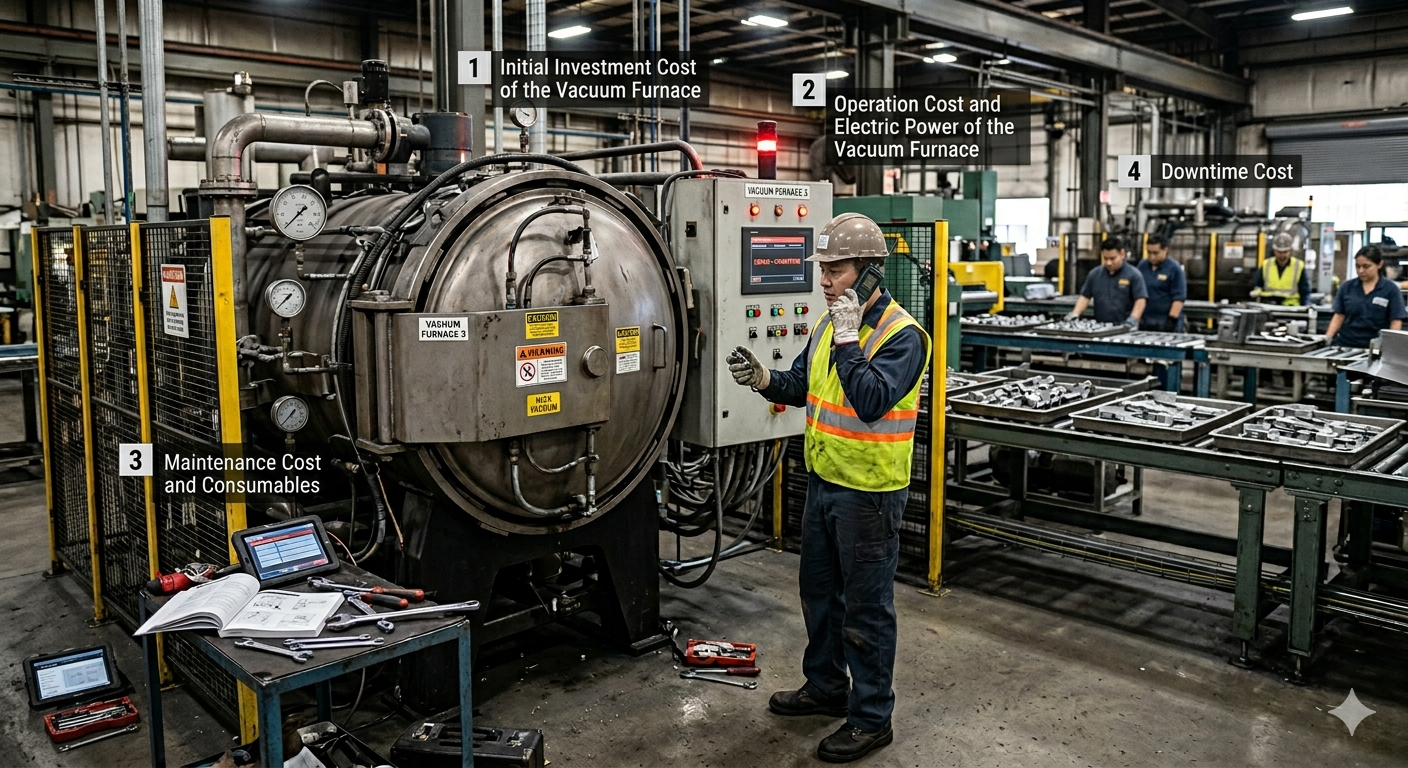
1. Initial Capital Expenditure (CAPEX)
This is the most visible cost. However, in many cases, the initial investment only accounts for about 30–40% of the total lifecycle cost. The remaining majority lies in operation and maintenance.
2. Operating and Energy Costs
During operation, vacuum pumps must run continuously, and heating systems consume a massive amount of electricity. If the system is not optimized:
-
Power consumption increases significantly.
-
Operating costs escalate over time.
3. Maintenance and Consumables
These costs include:
-
Vacuum oil.
-
Filters.
-
Wear-and-tear components.
If the system design is poor, components must be replaced more frequently, causing costs to spiral.
4. Downtime Costs
This is the largest but most frequently overlooked cost. When a furnace stops working:
-
Production is disrupted.
-
Delivery schedules are impacted.
These losses are never shown in the initial quotation.
Why Do Cheap Vacuum Furnaces Often Have a Higher TCO?
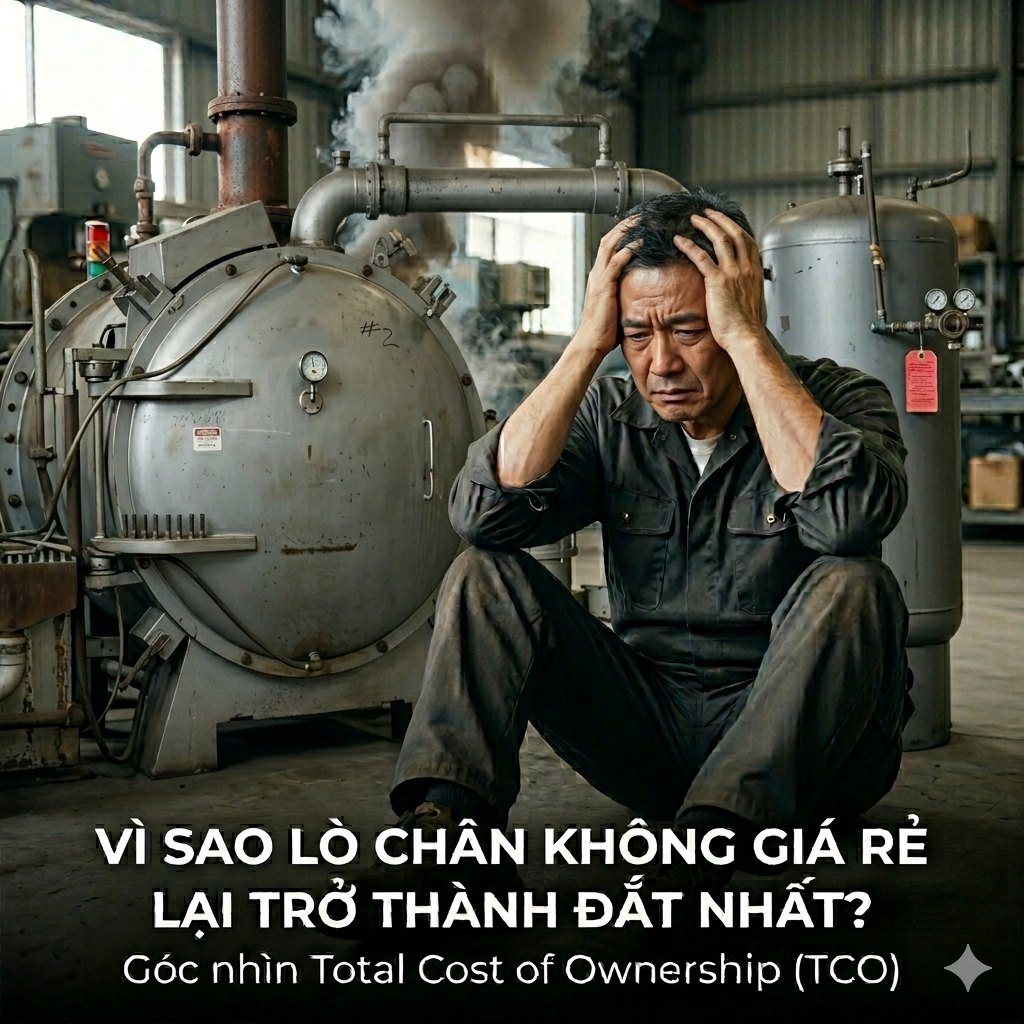
Initially, low-cost systems may seem attractive. However, after a period of operation, several issues begin to surface:
1. Lack of System Integration
Cheap “assembler” furnaces often use components from various sources. As a result:
-
The entire system is difficult to optimize.
-
Operational errors occur more frequently.
2. Performance Degradation Over Time
Initially, the pump-down time and temperature uniformity may meet requirements. However, over time:
-
Pumps begin to lose efficiency.
-
Oil becomes contaminated faster.
-
The system becomes unstable, driving up maintenance costs.
3. Leaks and “Silent” Failures
A small leak might not stop the furnace immediately, but it directly affects product quality. This leads to:
-
Increased rejection rates.
-
Difficulty in controlling production processes.
The Gas Quenching System and Its Impact on TCO
One crucial yet often ignored factor is the gas quenching system. For high-end furnaces like the ULVAC COMBAT series, the high-pressure nitrogen (N₂) quenching system is decisive for the product’s mechanical properties.
Structure of a Premium Quenching System:
-
Precision pressure control valves.
-
Optimized gas piping.
-
360-degree nozzle arrays distributed throughout the chamber, including the front door and rear sections.
This ensures N₂ gas is distributed evenly from multiple directions with precisely controlled pressure.
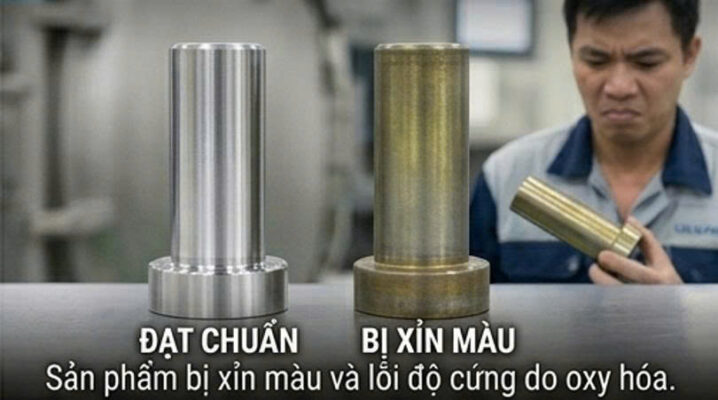
What happens if the quenching design is unoptimized?
-
Uneven gas distribution and inaccurate spray pressure.
-
Unstable gas flow.
-
The quenching curve fails to meet specifications, leading to inconsistent hardness and poor product quality.
-
Result: High scrap rates and costly rework, significantly increasing the actual cost per part.
TCO and the Long-Term Investment Vision
A system with a higher initial price can offer:
-
Greater operational stability.
-
Fewer failures and minimal downtime.
Consequently, the total cost over 5–10 years is often significantly lower.
How ULVAC Optimizes TCO
ULVAC focuses on long-term value rather than just competing on price. 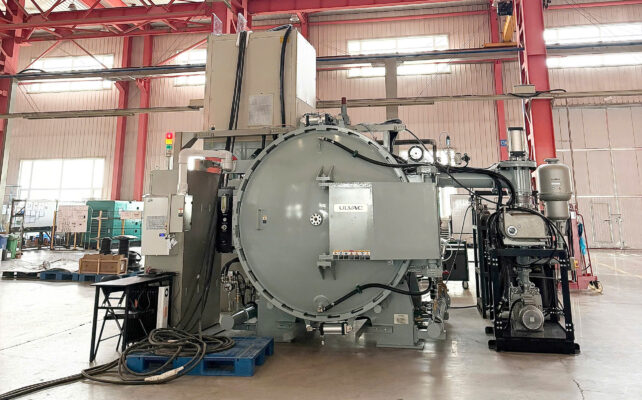
Real-image ULVAC vacuum furnace systems trusted and invested in by customers worldwide.
1. Fully Integrated Systems from a Single Maker
ULVAC designs and manufactures the entire system in-house. This reduces operational risks and increases overall stability.
2. Minimized Downtime
With a dedicated engineering team in Vietnam, ULVAC ensures:
-
Faster response times.
-
Minimal machine idle time during service.
3. Local Spare Parts Availability
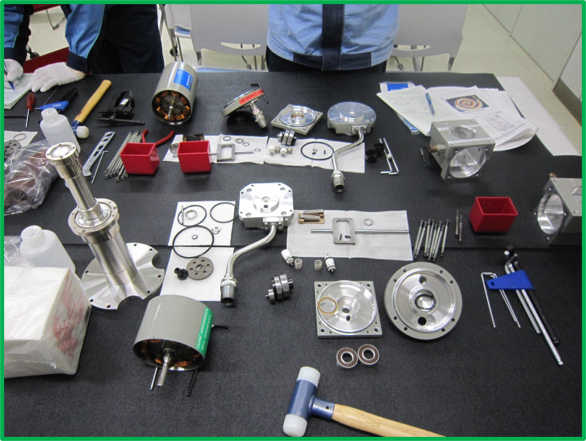
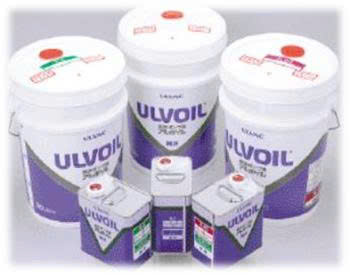
ULVAC maintains a local stock of vacuum oil and consumable parts in Hanoi and Ho Chi Minh City, eliminating import wait times and reducing downtime.
 |
 |
4. End-to-End Thermal Process Control
We don’t just focus on heating. ULVAC controls the vacuum system, temperature uniformity, and the cooling process to ensure consistent quality and optimized production costs.
TCO Comparison Table
| Comparison Criteria | System A (Low Initial Cost) | System B (High-Quality Investment) |
| Initial Price | Low (Initial budget savings) | Higher (Large CAPEX) |
| Maintenance Cost | Increasing: Frequent failures and part replacements. | Low & Predictable: Durable operation; routine maintenance only. |
| Downtime | High: Unexpected breakdowns disrupt production. | Minimal: High reliability for 24/7 operation. |
| Energy & Operation | Expensive: Efficiency drops over time; high power draw. | Optimized: Modern design for energy efficiency. |
| Product Quality | Inconsistent: High risk of defects due to parameter drift. | Highly Stable: Precise control ensures uniform quality. |
| TCO (3–5 Years) | Very High: Cumulative costs far exceed initial savings. | Lower: Clear long-term economic efficiency. |
Conclusion
Total Cost of Ownership is the most critical factor when investing in a vacuum furnace. Choosing the right system from the start helps businesses save costs in the long run, reduce operational risks, and enhance competitiveness.
FAQ
-
Is TCO more important than the purchase price? Yes, because it reflects the actual expenditure over the equipment’s lifespan.
-
How does the quenching system affect TCO? It directly impacts product quality, rejection rates, and gas consumption.
-
Why is a “cheap” furnace actually more expensive? Because the hidden operational and downtime costs usually far outweigh the initial discount.
Contact for Consultation
If you are looking for a stable, low-maintenance vacuum furnace system that optimizes long-term costs, ULVAC Vietnam is ready to provide the most suitable thermal processing solution for your needs.