Amid the rapid growth of AI, data centers, and the global technology race, Vietnam’s semiconductor industry is emerging as a new strategic link in the global semiconductor supply chain.
From being primarily an electronics assembly country, Vietnam is gradually moving deeper into:
- Packaging & Testing
- Chip Design (Fabless)
- AI R&D
- Semiconductor Materials
- Advanced Manufacturing
The year 2026 is considered a turning point as many major technology corporations accelerate semiconductor investments in Vietnam, while the government is also strongly promoting its national semiconductor strategy.
Semiconductor Is Becoming a “Strategic Industry” for Vietnam
According to multiple international market reports, semiconductors are no longer just a technology sector but have become a critical factor in:
- AI competitiveness
- Data center infrastructure
- Automotive electronics
- Defense technology
- National digital economy

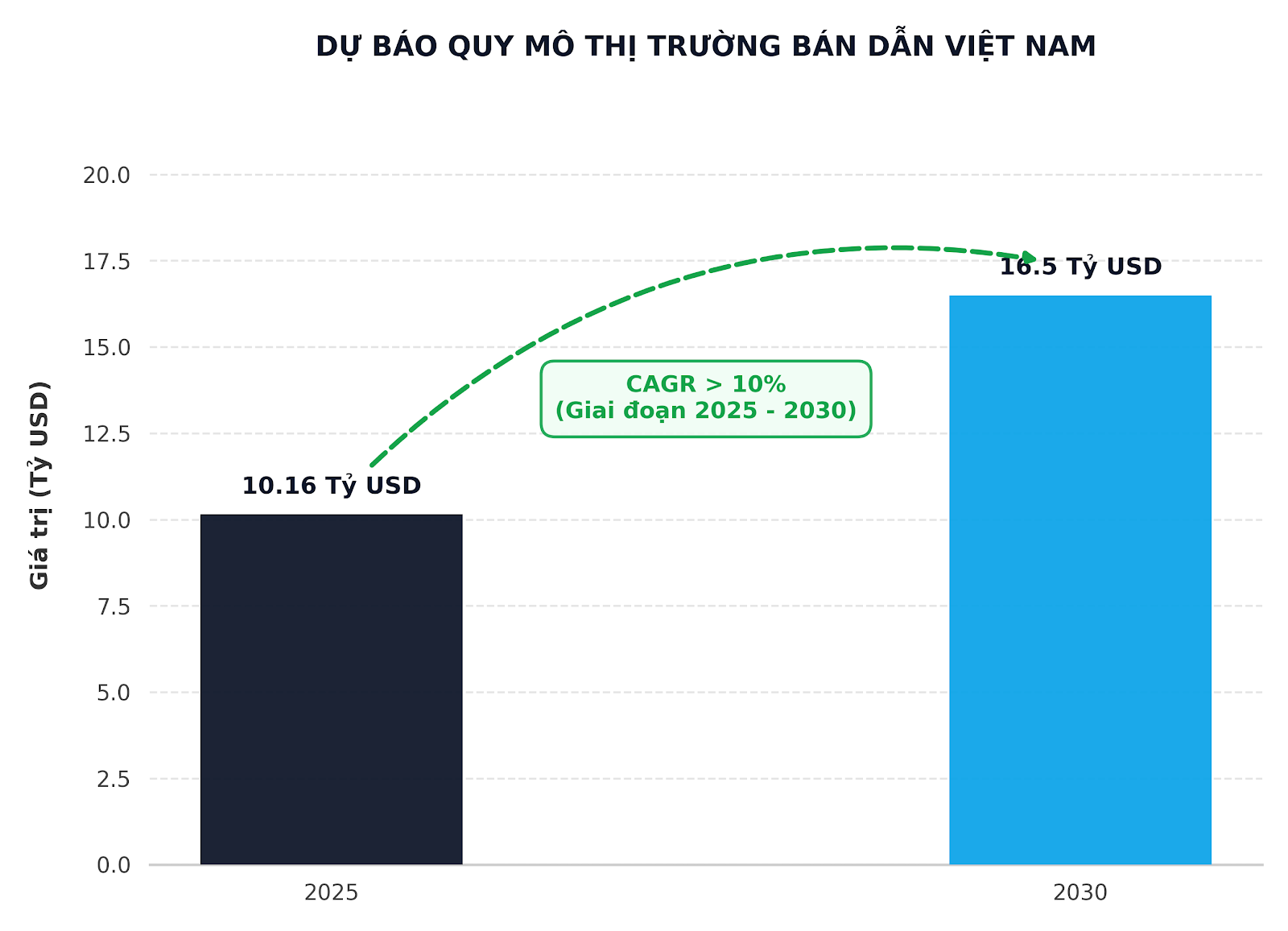
What is particularly notable is that Vietnam is benefiting significantly from:
- China+1 strategy
- The AI boom
- Geopolitical diversification
- Surging global demand for AI chip packaging
Packaging & Testing Is Becoming the Biggest Hotspot in Vietnam’s Semiconductor Industry
While the world previously focused mainly on wafer fabs and lithography, advanced packaging has now become a strategic bottleneck in the AI semiconductor era.
Modern AI chips such as:
- GPU
- HBM
- AI accelerators
- Chiplet architectures
all heavily depend on advanced packaging technology. 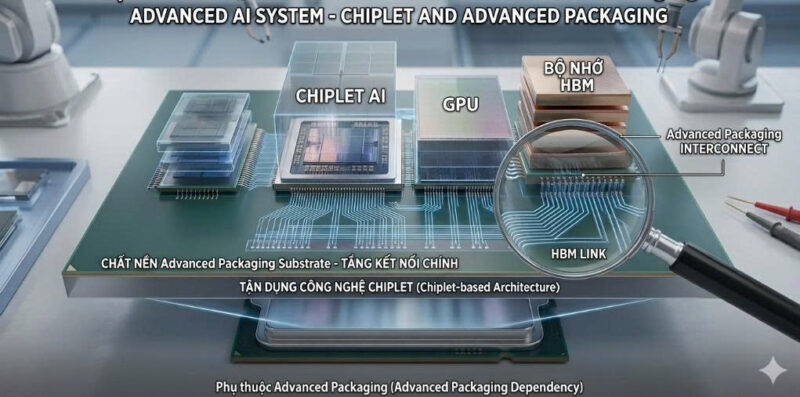
And this is precisely Vietnam’s biggest opportunity.
FPT Builds Vietnam’s First Semiconductor Packaging & Testing Plant
In January 2026, FPT officially announced Vietnam’s first Advanced Semiconductor Testing & Packaging plant fully owned by a Vietnamese company. 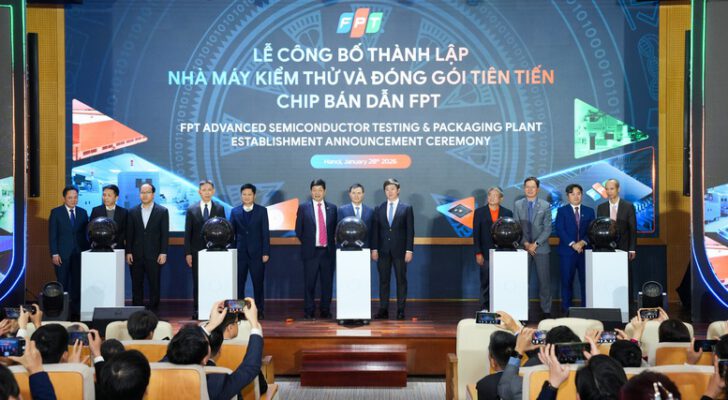
The factory is located at:
- Yen Phong II-C Industrial Park, Bac Ninh Province
The facility focuses on:
- Advanced testing
- Reliability testing
- Semiconductor packaging
- Edge AI SoC
- Automotive chip testing
This is considered a major milestone because:
- Vietnam now owns domestic semiconductor backend capabilities for the first time
- The country is beginning to build a more complete semiconductor ecosystem
- Dependence on foreign-invested enterprises (FDI) is gradually decreasing
According to FPT, the project aims to:
- Develop a “Make in Vietnam” semiconductor supply chain
- Train semiconductor engineers
- Participate more deeply in the global supply chain
Vietnam Is Becoming a New Packaging Hub in Asia 
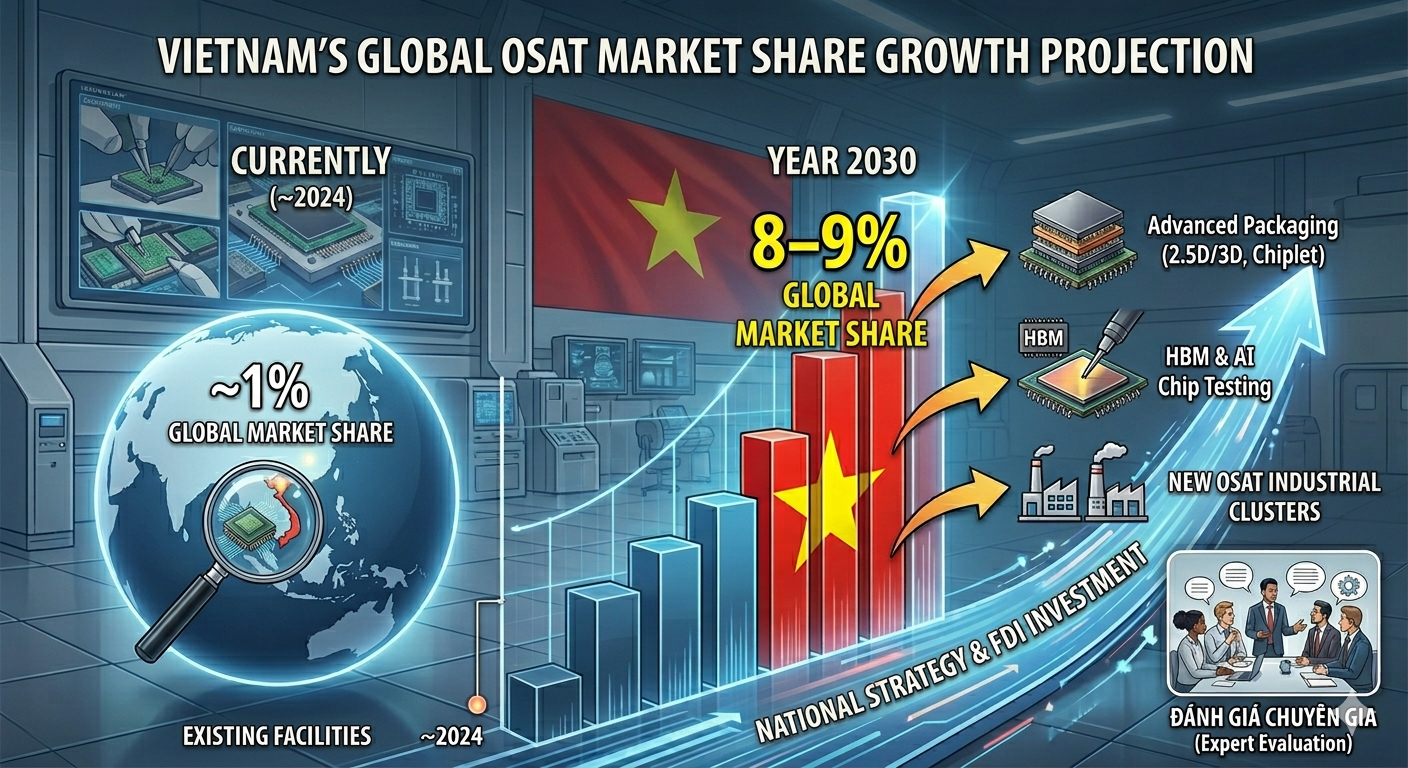
Major corporations already operating in Vietnam include:
- Intel
- Amkor
- Samsung
- Foxconn
- Qualcomm
Among them:
- Intel operates one of its largest global assembly and test facilities in Ho Chi Minh City
- Amkor invested over USD 1 billion in a packaging plant in Bac Ninh
- Samsung is considering expanding packaging and testing investments in Vietnam
This indicates that Vietnam is gradually becoming:
- A semiconductor OSAT hub
- An AI chip packaging base
- A new electronics manufacturing center in Asia
The AI Boom Is Accelerating Vietnam’s Semiconductor Industry
AI is reshaping the global chip industry.
According to TSMC, the global semiconductor market could exceed:
- USD 1.5 trillion by 2030
- With AI and HPC accounting for approximately 55%
This is driving massive demand for:
- AI GPU
- HBM memory
- Advanced packaging
- Edge AI chips
- AI servers
Vietnam is rapidly taking advantage of this wave.
Qualcomm, NVIDIA, and AMD Are Expanding Their Presence in Vietnam
Ho Chi Minh City is currently promoting semiconductor cooperation with:
- AMD
- NVIDIA
- Qualcomm
The objectives include:
- Attracting more semiconductor FDI
- Building an AI R&D ecosystem
- Developing semiconductor talent
Meanwhile:
- Qualcomm has expanded its AI R&D activities in Vietnam
- NVIDIA is strengthening AI and semiconductor cooperation with the Vietnamese government
- AMD is being encouraged to establish an R&D center in Ho Chi Minh City
This demonstrates that Vietnam is no longer merely an electronics assembly base but is gradually participating in:
- AI ecosystems
- Chip design
- Semiconductor R&D
Viettel and Vietnam’s First Semiconductor Fab Ambition 

One of the most notable events in 2026 is Viettel launching construction of Vietnam’s first semiconductor fabrication plant in Hoa Lac.
The project aims to develop:
- Chip design
- Fabrication
- Testing
- Packaging
- A domestic semiconductor ecosystem
If successful, this would be a historic milestone, as Vietnam currently has very limited domestic wafer fabrication capabilities.
Why Are Semiconductor Giants Paying Attention to Vietnam?
1. Competitive Costs
Compared with:
- Taiwan
- South Korea
- Singapore
Vietnam offers advantages such as:
- Lower labor costs
- A strong manufacturing ecosystem
- Large-scale electronics exports
2. China+1 Strategy
Technology companies are seeking to:
- Reduce dependence on China
- Diversify supply chains
- Increase resilience after COVID and geopolitical risks
Vietnam stands out thanks to:
- Its proximity to China
- A young workforce
- Attractive FDI policies
3. Government-Driven Semiconductor Strategy
Vietnam aims to achieve:
- 50,000 semiconductor engineers by 2030
- 100 chip design companies
- 10 advanced packaging facilities
In addition, the government is actively promoting:
- Tax incentives
- R&D support
- High-tech park development
- Semiconductor training programs
Major Challenges Facing Vietnam’s Semiconductor Industry
Despite its strong potential, Vietnam still faces several major challenges.
1. Shortage of High-Quality Engineers
The semiconductor industry requires expertise in:
- Physics
- Materials science
- IC design
- Process engineering
Current human resources are still insufficient to meet rapid growth demand.
2. Lack of Advanced Fabs
Vietnam is currently strong in:
- Packaging
- Testing
- Assembly
However, the country still lacks:
- Advanced wafer fabrication
- Leading-edge nodes
- An EUV ecosystem
3. Dependence on Imported Technology and Equipment
Semiconductor manufacturing requires:
- Ultra-high vacuum systems
- High-purity gases
- Lithography technologies
- Precision materials
These are areas where Vietnam still heavily depends on international supply chains.
What Direction Will Vietnam’s Semiconductor Industry Take?
Many experts believe Vietnam may struggle to compete directly with:
- TSMC
- Samsung Foundry
- Intel Foundry
in the leading-edge fab race.
However, Vietnam has strong opportunities in:
- Packaging & Testing
- AI backend manufacturing
- Semiconductor materials
- Fabless chip design
- Electronics + AI integration
Especially in the AI era, advanced packaging is becoming the new technological battlefield — and this is precisely the gap Vietnam can leverage.
Vacuum Technology: A Critical Foundation for Semiconductor Manufacturing
The rapid growth of Vietnam’s semiconductor industry is also driving strong demand for vacuum technology and semiconductor manufacturing equipment.
In processes such as:
- Sputtering
- CVD
- Packaging
- Testing
- Heat treatment
vacuum systems play a critical role in ensuring cleanliness, stability, and production yield.
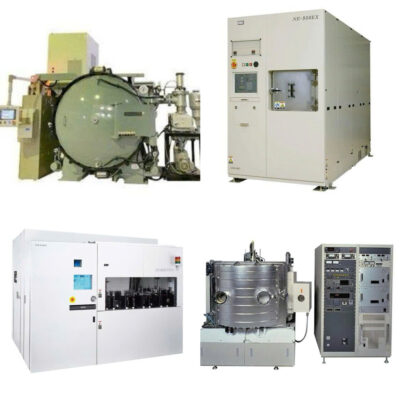
As a leading brand in vacuum technology, ULVAC Vietnam provides various semiconductor solutions, including:
- Dry Vacuum Pump
- Vacuum Furnace
- Sputtering System
- Helium Leak Test System
- Vacuum Measurement System
These systems are essential components in semiconductor fabs, advanced packaging facilities, and modern electronics manufacturing.
Conclusion
The year 2026 marks a major turning point for Vietnam’s semiconductor industry.
From being an electronics assembly center, Vietnam is gradually becoming:
- A semiconductor packaging hub
- An AI manufacturing base
- A new chip design ecosystem in Asia
The emergence of:
- FPT Semiconductor Packaging Plant
- Viettel semiconductor fab project
- Qualcomm AI R&D expansion
- Samsung & Amkor investments
shows that Vietnam’s semiconductor industry is entering a real growth phase.
As AI adoption and global supply chain restructuring continue, Vietnam has a significant opportunity to become a new strategic node in the global semiconductor industry.