When a vacuum heat treatment furnace experiences problems such as a longer pump-down time, failure to reach the required vacuum level, or pressure rising again after pumping, many technicians immediately suspect the Vacuum Pump.
But is the vacuum pump always the real cause?
In reality, Gaskets and O-rings are relatively small components that are often overlooked, yet they play a critical role in maintaining the sealing performance of a vacuum system.
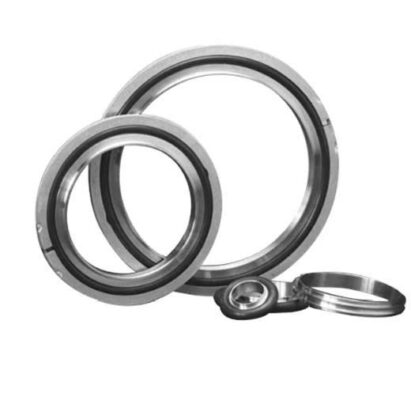
A single O-ring that is aged, cracked, deformed, or improperly installed can allow outside air to enter the system and cause a vacuum leak.
The important point is:
A small O-ring can affect the performance of an entire vacuum furnace system.
1. What Is the Role of Gaskets and O-rings in a Vacuum Furnace?
In a vacuum system, air can enter through many different locations, including:
- Furnace doors
- Flanges
- Connections and joints
- Vacuum valves
- Feedthroughs
- Vacuum piping
- Connections between different components
To prevent air from entering through these areas, Gaskets and O-rings are used to create a reliable seal between mating surfaces.
Simply put:
The Vacuum Pump creates the vacuum, while Gaskets and O-rings help maintain it.
Therefore, even if a vacuum pump has sufficient pumping performance, the system may still have difficulty achieving the required vacuum level if the sealing condition is poor.
2. Why Can an O-ring Cause a Vacuum Leak?
O-rings are generally made from various elastomeric materials and must operate under demanding industrial conditions.
In a vacuum heat treatment furnace, O-rings may be exposed to:
- High temperatures
- Repeated heating and cooling cycles
- Pressure differences
- Oil or chemical exposure
- Mechanical stress when opening and closing the furnace door
- Long-term operation
Over time, an O-ring can lose its original elasticity and sealing performance.
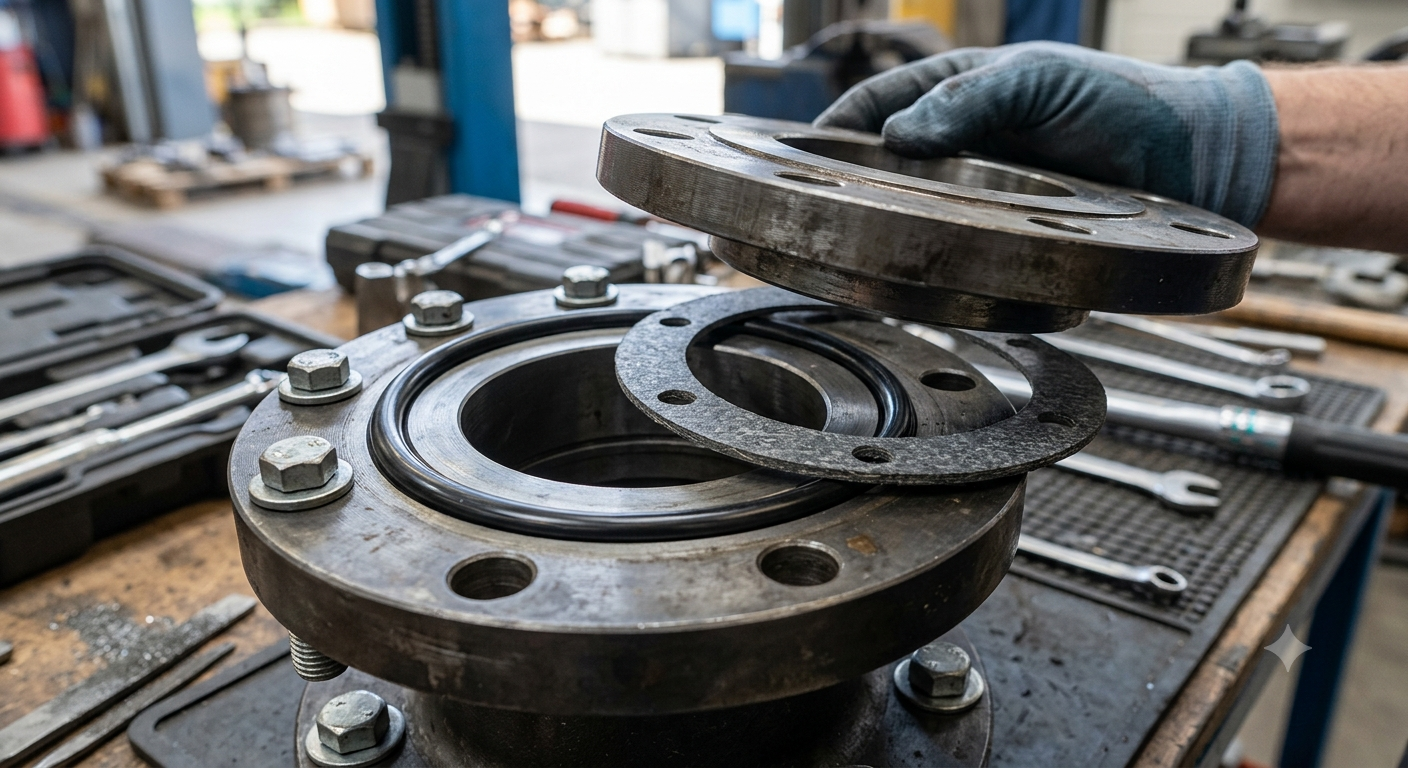
Common problems include:
Aging and Hardening
As an O-ring becomes harder and loses elasticity, its ability to maintain proper contact between sealing surfaces can decrease.
Cracking or Tearing
Even a very small crack can create a pathway for air to enter the vacuum system.
Deformation
O-rings can become deformed due to temperature, pressure, mechanical stress, or improper installation.
Dust or Foreign Matter
A small amount of dust, metal particles, or other foreign material between the O-ring and sealing surface can compromise the seal.
Incorrect Installation
An O-ring that is twisted, misaligned, pinched, or incorrectly sized can cause a vacuum leak.
3. What Are the Signs of an O-ring Problem in a Vacuum Furnace?
An O-ring problem cannot always be identified by visual inspection alone.
However, manufacturers and maintenance teams can look for several warning signs.
① Longer Pump-down Time
The furnace takes longer than usual to reach the required vacuum level.
For example:
Previously, the furnace reached the target vacuum level within 30 minutes, but it now takes 45–60 minutes.
This may indicate a problem with the leak rate or pumping performance.
② Failure to Reach the Required Vacuum Level
The Vacuum Pump continues operating, but the chamber pressure does not decrease to the required level.
③ Pressure Rise After Pumping Stops
After reaching a certain vacuum level, the pressure rises faster than normal when pumping is stopped.
This can be a sign of a vacuum leak or other gas-load-related issue.
④ Unstable Furnace Performance
Different production cycles show different pump-down times even though the operating conditions are relatively similar.
⑤ Visible Physical Damage to the O-ring
During inspection, technicians may find:
- Cracks
- Hardening
- Deformation
- Wear
- Contamination
- Loss of elasticity
4. Why Is a Vacuum Leak a Serious Problem for a Vacuum Heat Treatment Furnace?
A small leak does not necessarily cause the furnace to stop immediately.
And that is exactly what makes it difficult to detect.
A small vacuum leak may allow the system to continue operating while gradually reducing its performance.
Impact on Production Time
A longer pump-down time means a longer overall cycle time.
If each cycle takes only a few additional minutes, the accumulated impact across hundreds or thousands of cycles can become significant.
Impact on Productivity
Longer waiting times between process steps can reduce the overall throughput of the production line.
Impact on Process Conditions
Failure to maintain the required vacuum environment may affect the heat treatment conditions, depending on the material and specific manufacturing process.
Additional Load on the Vacuum Pump
When the system continuously needs to pump out incoming air or gas, the Vacuum Pump may need to operate longer than necessary.
5. Does a Long Pump-down Time Always Mean There Is a Problem with the Vacuum Pump?
No.
This is an important point when troubleshooting a vacuum furnace.
An increase in pump-down time can be caused by many different factors, including:
- Vacuum Pump degradation
- Insufficient pumping speed
- Degraded or contaminated Vacuum Oil
- Vacuum Valve malfunction
- Problems with Vacuum Piping
- Damaged Gaskets or O-rings
- Leaks at connections or joints
- Inaccurate Vacuum Gauge readings
- Outgassing from materials inside the chamber
Therefore, do not immediately conclude that the Vacuum Pump is defective simply because the furnace has a longer pump-down time.
The entire vacuum system should be inspected to accurately identify the root cause.
6. How Can You Check for a Vacuum Leak in a Vacuum Furnace?
For systems that require a high level of vacuum integrity, simply inspecting an O-ring visually may not be sufficient.
A typical troubleshooting process may include the following steps:
Step 1: Visual Inspection
Inspect:
- Gaskets
- O-rings
- Flanges
- Valves
- Fittings
- Vacuum Piping
Look for signs of cracking, deformation, wear, contamination, or incorrect installation.
Step 2: Check Vacuum Performance
Monitor:
- Pump-down time
- Ultimate pressure
- Pressure rise
- Leak rate
Then compare the results with the system’s normal operating data or maintenance standards.
Step 3: Locate the Leak
When a leak is suspected but its exact location cannot be identified, a Helium Leak Detector can be used to detect and locate leaks with high sensitivity.
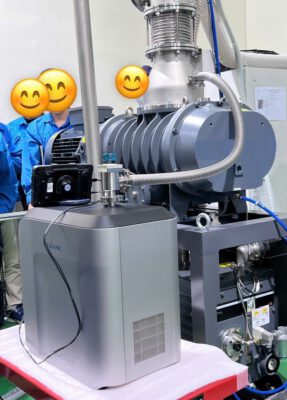
ULVAC Helium Leak Detectors can be particularly useful when the leak is extremely small or located in an area that is difficult to inspect visually.
7. How Can You Prevent O-ring and Gasket Problems?
To reduce the risk of vacuum leaks, manufacturers should include Gaskets and O-rings in their preventive maintenance program, rather than replacing them only after a failure occurs.
Several points should be considered:
Regular Inspection
Do not wait until the furnace fails to reach the required vacuum level before inspecting the sealing components.
Condition-Based Replacement
If an O-ring shows signs of:
- Hardening
- Cracking
- Deformation
- Loss of elasticity
→ consider replacing it.
Clean the Sealing Surface
Before installing a new O-ring, make sure the sealing surface is clean and free of dust, metal particles, or other foreign matter.
Use the Correct O-ring
O-ring selection should not be based on size alone.
You should also consider:
- Material
- Operating temperature
- Operating environment
- Vacuum conditions
- Compatibility with chemicals and oils
Monitor Operating Data
Monitoring trends in pump-down time and pressure rise can help identify changes in system performance before they develop into major problems.
8. Don’t Check Only the Vacuum Pump When Pump-down Time Becomes Longer
A reliable vacuum system does not depend on the Vacuum Pump alone.
The following components must work together to achieve the desired vacuum performance:
Vacuum Pump + Vacuum Valve + Vacuum Piping + Vacuum Gauge + Gasket/O-ring + Sealing Condition
Gaskets and O-rings are relatively low-cost components, but they are installed at many critical sealing points throughout a vacuum system.
Therefore:
When a vacuum furnace takes longer to pump down than usual, don’t just ask, “What’s wrong with the Vacuum Pump?” — also ask, “Is there a vacuum leak somewhere in the system?”
Identifying the actual root cause before replacing components can help manufacturers reduce troubleshooting time, minimize downtime, and avoid unnecessary equipment replacement.
FAQ – Frequently Asked Questions
1. Can an O-ring cause a vacuum leak in a vacuum furnace?
Yes. An aged, cracked, deformed, contaminated, or improperly installed O-ring can reduce sealing performance and cause a vacuum leak.
2. How often should an O-ring be replaced?
There is no fixed replacement interval for every system. The replacement cycle depends on the O-ring material, operating temperature, number of cycles, and operating conditions.
3. Does a long pump-down time always mean the Vacuum Pump is defective?
No. Vacuum leaks, O-rings, valves, piping, vacuum oil, outgassing, and other factors can also increase pump-down time.
4. Can an O-ring leak be detected visually?
Not always. Some leaks are too small to identify through visual inspection and require an appropriate leak detection method.
5. Can a Helium Leak Detector test O-ring sealing points?
Yes. A Helium Leak Detector can be used to detect and locate leaks in sealing areas, including locations where O-rings are used, especially when a high level of leak detection sensitivity is required.
Conclusion
Gaskets and O-rings may be small components in a vacuum heat treatment furnace, but their role is anything but small.
A degraded O-ring can lead to:
O-ring degradation → Vacuum Leak → Longer Pump-down Time → Reduced System Performance → Increased Cycle Time
Therefore, in addition to maintaining the Vacuum Pump, manufacturers should also include Gaskets, O-rings, and the overall sealing condition in their regular inspection and preventive maintenance programs.
Don’t wait until the vacuum furnace fails to reach the required vacuum level before checking the O-rings.
Contact ULVAC VIETNAM for professional consultation on your vacuum furnace and vacuum system requirements.