Dry vacuum pumps play a critical role in various industrial production systems, helping create and maintain a stable vacuum environment. Notably, dry pumps do not use oil within the pumping chamber.
However, this does not mean the equipment requires no maintenance. After a long period of operation, internal components are still subject to wear and tear, and contaminants can accumulate during use.
Therefore, overhauling a dry vacuum pump at the right time is essential to maintain optimal performance and prevent unexpected failures.
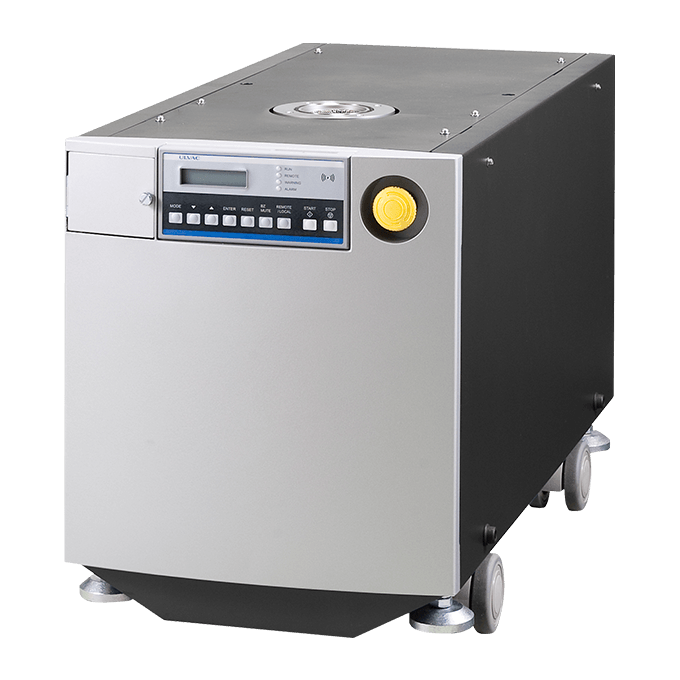
1. Why Do Dry Vacuum Pumps Need Periodic Overhaul?
Dry vacuum pumps typically operate continuously in demanding industrial environments, subjecting the equipment to heavy loads over extended periods.
During operation, dust and debris can enter the system. Certain process gases may also generate byproducts. Over time, these factors negatively impact the internal condition of the pump.
In addition, moving parts experience progressive wear and mechanical clearances may shift, leading to a gradual decline in pump efficiency.
If maintenance is delayed until a total breakdown occurs, repair costs are usually much higher, and the unexpected downtime can impact the entire production line.
For these reasons, a dry vacuum pump overhaul should be planned based on the actual operating condition of the equipment.
2. 4 Warning Signs Your Dry Vacuum Pump Needs Inspection
Failures rarely happen without warning. Prior to a major breakdown, the equipment usually exhibits several abnormal signs:
Increased Motor Current
First, monitor the motor current during operation. If the current rises unusually, the pump may be working under heavy load, often caused by internal contamination or increased friction. Never ignore this change; early inspection can help detect issues before a major failure occurs.
Abnormal Noise and Vibration
Noise is another critical indicator. A properly functioning dry vacuum pump maintains a relatively stable acoustic profile. However, loud noises or unusual vibrations can emerge when specific components experience wear. In this case, technicians should inspect the mechanical condition of the pump early to prevent damage from spreading.
Extended Pump-Down Time
Another common sign is an increasing pump-down time—meaning the pump takes longer to reach the required vacuum level. This may relate to declining pump efficiency, internal wear, or system leaks. Routinely tracking pump-down times against baseline performance provides highly useful diagnostic insights.
Long Operational History Without Overhaul
Aside from operational symptoms, maintenance history is crucial. A pump that has run for a prolonged period without an overhaul needs thorough inspection, especially in continuous-duty applications. Businesses should establish a proper inspection schedule tailored to actual operating conditions.
3. What Happens If You Delay a Vacuum Pump Overhaul?
Postponing maintenance allows minor issues to escalate into severe problems:
-
Contaminant Buildup Inside the Pump: Debris accumulates at critical points over time, forcing the pump to work harder, reducing efficiency, and increasing failure risks.

-
Accelerated Component Wear: Dry vacuum pumps feature multiple moving parts that require regular checks. Running degraded components causes damage to propagate to neighboring parts, driving up repair costs.
-
Pump Seizing and Equipment Downtime: In severe cases, the pump can seize completely, halting the vacuum system. If the pump is integral to the production line, this failure causes unexpected factory downtime and heavy financial losses.
-


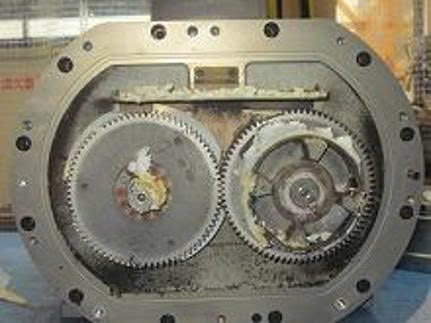
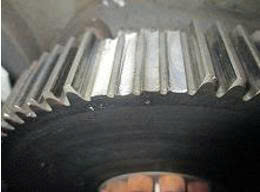
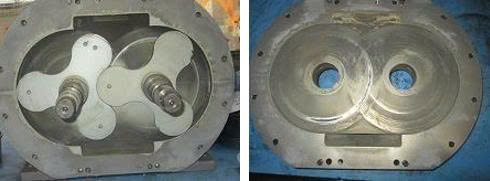
A proper overhaul is more than just routine maintenance; it is a vital risk-mitigation measure.
4. How Often Should a Dry Vacuum Pump Be Overhauled?
There is no fixed overhaul schedule that applies universally to every dry vacuum pump. However, 1 year can serve as a preliminary reference milestone, which should then be adjusted based on actual operating conditions.
Key factors to evaluate include:
-
Total operating hours
-
Daily running time
-
Start/stop frequency
-
Production conditions and process types
-
Amount of dust and contaminants generated
-
Working temperatures
-
Past maintenance history
-
Current physical condition of the pump
Rather than relying purely on calendar time, facilities should combine scheduled maintenance intervals with the actual health status of the equipment.
5. What Does a Dry Vacuum Pump Overhaul Include?
A professional overhaul process follows a structured, step-by-step procedure:
-
Pre-Overhaul Inspection: Technicians check operational performance and record abnormal parameters, evaluating noise, vibration, and motor current to identify areas of concern.
-
Disassembly and Component Inspection: The pump is disassembled systematically. Internal parts are inspected for wear, and worn-out components are scheduled for replacement.
-
Cleaning and Debris Removal: Thorough cleaning removes accumulated residue and chemical byproducts from internal chambers, improving operational stability and revealing hidden flaws.
-
Reassembly and Post-Overhaul Testing: The pump is reassembled according to precise engineering standards, followed by trial runs and performance testing to verify readiness for deployment.
6. Overhauling on Time Keeps Costs Under Control
Many businesses focus solely on direct repair costs, overlooking the heavy financial impact of unplanned downtime.
Unexpected failures often trigger cascading expenses, such as replacing multiple expensive components simultaneously and halting production lines, which directly harms delivery schedules and corporate revenue.
Conversely, planned overhauls allow businesses to schedule maintenance around production cycles, minimizing unscheduled risks and keeping long-term maintenance budgets firmly under control.
7. Dry Vacuum Pump Overhaul Services at ULVAC Vietnam
ULVAC Vietnam provides professional dry vacuum pump overhaul services for industrial systems. We service not only pumps manufactured by ULVAC but also dry vacuum pumps from various other leading brands.
Our technical team conducts thorough inspections and evaluates pump conditions before any overhaul work begins. Disassembly, cleaning, and testing are then executed following strict engineering procedures.
Additionally, ULVAC Vietnam assists in diagnosing operational anomalies and offers customized maintenance advice based on each facility’s unique operating environment.
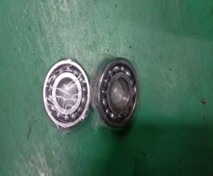
Comparison Table: Unserviced vs. Overhauled/Refurbished Components
| STT | Danh mục | Chưa bảo dưỡng/thay thế | Đã đại tu/ thay thế linh kiện |
| 1 | Pump Shaft | 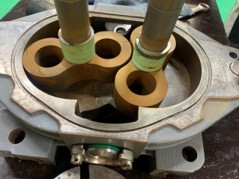 |
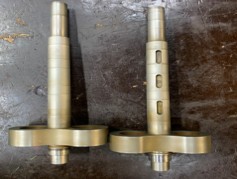 |
| 2 | Gears | 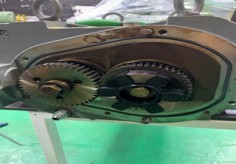 |
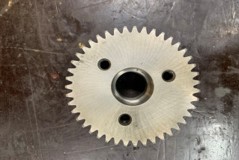 |
| 3 | HV Plate | 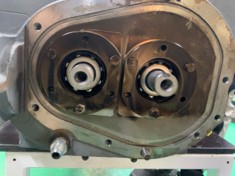 |
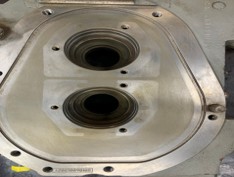 |
| 4 | Claws stage | 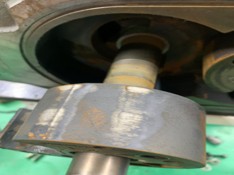 |
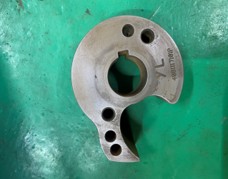 |
| 5 | O-ring | 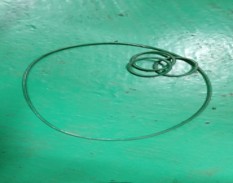 |
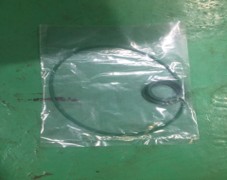 |
| 6 | Fomblin oil | 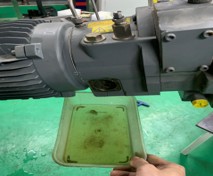 |
 |
| 7 | Bearing | 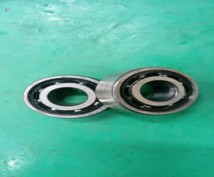 |
 |
Overhauling your vacuum pump at the right time empowers your business to stay ahead of operational risks. Instead of waiting for a pump to seize or fail completely, inspect your equipment early.
ULVAC Vietnam is ready to assist you with inspections and consulting tailored to your plant’s specific operating conditions.