In industries such as automotive, electric vehicles (EV), HVAC, heat exchangers, cold plates, electronics, and semiconductor manufacturing, Auto Leak Test Machines play a critical role in ensuring product airtightness before shipment.
With the rapid growth of Artificial Intelligence (AI) and data centers, the demand for liquid cooling modules, cold plates, and heat exchangers continues to rise. As a result, manufacturers require leak testing systems that deliver high accuracy, repeatability, and production efficiency.
However, after extended operation, many factories experience unstable leak test results, longer cycle times, or an unexpected increase in NG (No Good) products. If these issues are not addressed promptly, they can significantly affect production efficiency, product quality, and operating costs.
This article introduces the seven most common Auto Leak Test Machine problems and practical solutions to help maintain optimal system performance.
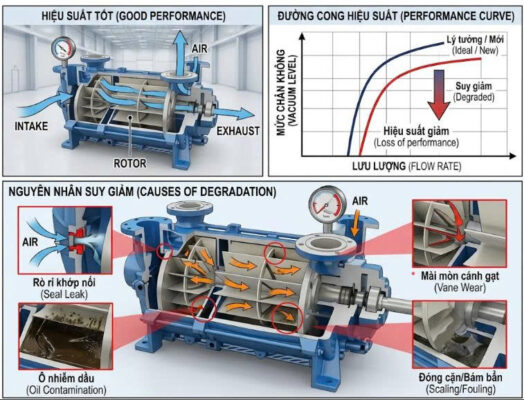
1. Vacuum Pump Performance Degradation
A deteriorating vacuum pump is one of the most common reasons for unstable leak testing.
Symptoms
- Pump-down time becomes longer than normal.
- Required vacuum level cannot be achieved.
- Leak test results fluctuate despite continuous operation.
Possible Causes
- Contaminated or degraded vacuum pump oil.
- Worn rotary vanes.
- Clogged oil filter.
- Pump has exceeded its recommended service interval.

Solutions
- Replace vacuum pump oil regularly.
- Inspect and replace the oil filter.
- Perform pump overhaul according to the manufacturer’s maintenance schedule.
- Monitor vacuum pressure continuously to detect early signs of performance loss.
2. Vacuum Leakage in the Piping System
Even a tiny leak within the vacuum piping system can significantly affect leak test accuracy.
Symptoms
- Unstable vacuum level.
- Extended pump-down time.
- Constant fluctuation in leak rate values.
Possible Causes
- Loose fittings.
- Cracked vacuum tubing.
- Aged or damaged O-rings.
- Poor sealing of vacuum valves.
Solutions
- Inspect the entire vacuum system using a leak detector.
- Replace O-rings periodically.
- Tighten all fittings.
- Replace deteriorated vacuum hoses or pipes.
3. Clogged Vacuum Filter
The vacuum filter protects the vacuum pump from dust, moisture, and contaminants.
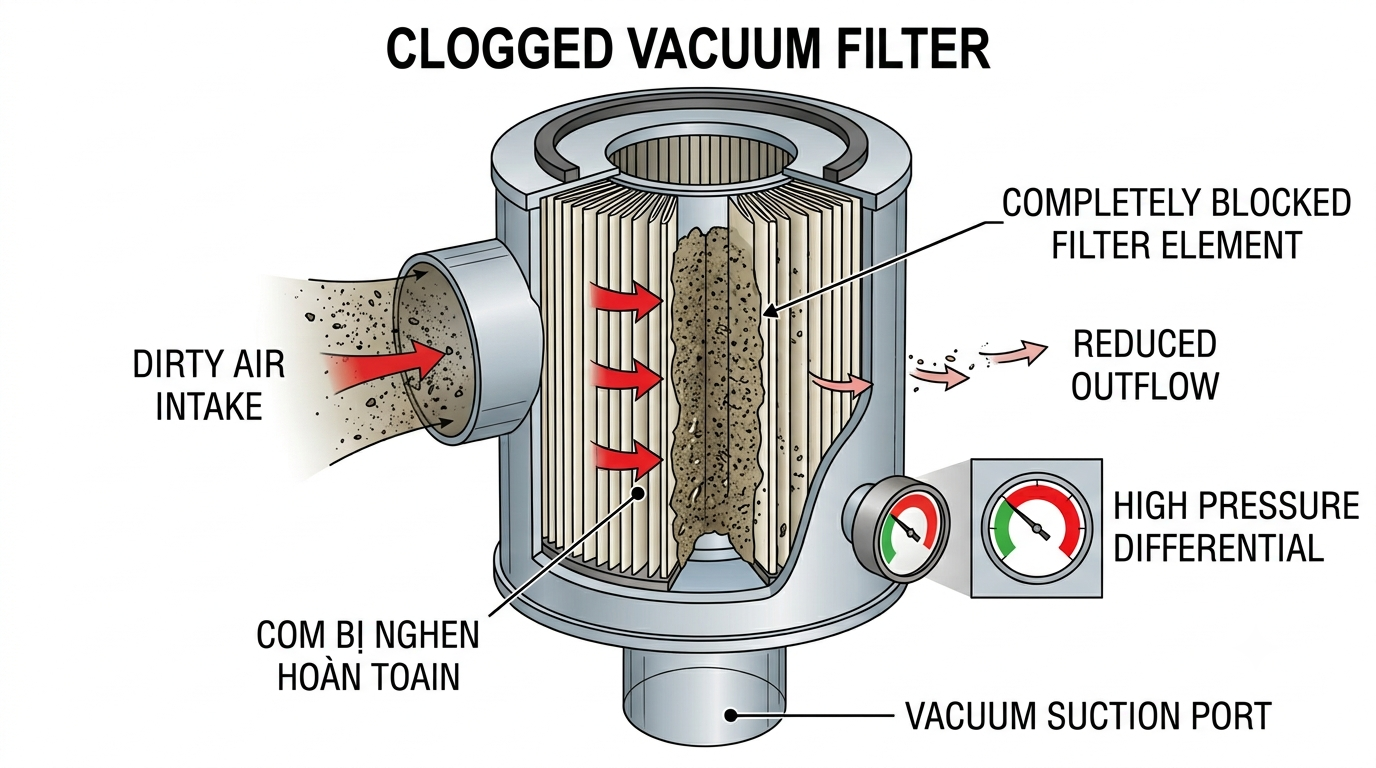
When the filter becomes clogged, pumping efficiency drops significantly.
Symptoms
- Lower vacuum pressure.
- Vacuum pump overheating.
- Longer leak test cycle time.
Solutions
- Inspect vacuum filters regularly.
- Replace filters according to operating hours.
- Select the appropriate filter type for the production environment.
4. Solenoid Valve Malfunction
Solenoid valves control the switching of the vacuum circuit during leak testing.
If the valve responds slowly or leaks internally, measurement accuracy will be compromised.
Symptoms
- Longer testing cycle.
- Vacuum cannot be maintained.
- Random machine alarms.
Solutions
- Inspect the solenoid coil.
- Clean the valve assembly.
- Replace worn seals.
- Replace the valve if it has reached the end of its service life.
5. Pressure or Vacuum Sensor Drift
Pressure and vacuum sensors serve as the “eyes” of an Auto Leak Test Machine.
After prolonged use, sensors may drift, leading to inaccurate measurements.
Symptoms
- Qualified products are rejected as NG.
- Inconsistent results between repeated tests.
- Abnormal pressure readings.
Solutions
- Perform regular sensor calibration.
- Inspect signal cables and connectors.
- Replace sensors when measurement errors exceed acceptable limits.
6. Worn Fixture or O-Ring
Fixtures come into direct contact with the workpiece during every testing cycle.
After thousands or even millions of cycles, O-rings may harden, deform, or crack.
Symptoms
- Higher than normal leak rate.
- Good products fail the leak test.
- Air leakage around the fixture.
Solutions
- Inspect fixtures regularly.
- Replace O-rings according to preventive maintenance schedules.
- Clean all sealing surfaces before testing.
7. Lack of Preventive Maintenance
Many manufacturers only repair equipment after a failure occurs.
This reactive approach often results in:
- Unexpected production downtime.
- Higher repair costs.
- Reduced equipment lifespan.
- Increased defective product rates.
Recommended Maintenance Schedule
Implement preventive maintenance on a:
- Weekly basis
- Monthly basis
- Quarterly basis
- Annual basis
Regularly inspect the following components:
- Vacuum Pump
- Vacuum Filter
- Solenoid Valve
- Pressure Sensor
- Vacuum Gauge
- Vacuum Piping
- O-rings
- Vacuum Tank
How to Keep Your Auto Leak Test Machine Running Reliably
In addition to selecting high-quality equipment, regular maintenance of the vacuum system is essential for ensuring stable performance.
Proper maintenance helps you:
- Maintain leak test accuracy.
- Shorten production cycle time.
- Reduce false NG rates.
- Lower operating costs.
- Extend the service life of vacuum pumps and components.
- Keep production lines running continuously.
Conclusion
Most Auto Leak Test Machine failures originate from the vacuum system, and nearly all of them can be prevented through proper inspection and preventive maintenance.
Regular replacement of consumables, scheduled sensor calibration, and routine vacuum pump servicing help manufacturers improve inspection accuracy, minimize downtime, and optimize production costs.
By adopting a proactive maintenance strategy, manufacturers can achieve higher productivity while ensuring consistent product quality.
Optimize Your Auto Leak Test System with ULVAC Vietnam
If your factory is experiencing any of the following issues:
- Unstable Auto Leak Test Machine results
- Longer pump-down time
- Reduced vacuum pump performance
- Vacuum system maintenance or overhaul requirements
- Replacement of vacuum system components
ULVAC Vietnam is ready to support your production with experienced vacuum engineers and comprehensive solutions.
Our services include:
- Vacuum system consulting
- Preventive maintenance and repair
- Vacuum pump overhaul
- Vacuum system troubleshooting
- Genuine replacement parts
- Vacuum Pumps
- Vacuum Components
- Vacuum Measurement Instruments
- Customized vacuum solutions for industrial applications
Whether your application involves automotive manufacturing, EV battery cooling systems, heat exchangers, cold plates, semiconductors, or electronics, ULVAC Vietnam can help improve leak test reliability and production efficiency.
Contact ULVAC Vietnam today to optimize your Auto Leak Test Machine, improve testing accuracy, reduce downtime, and maximize manufacturing performance.