Vacuum oil plays an important role in lubricating, sealing, and helping cool the internal components of a vacuum pump. Over time, the oil may oxidize, become contaminated with moisture or particles, or lose its original performance characteristics. These changes can reduce vacuum performance and increase the risk of equipment damage.
When should vacuum pump oil be changed? What is the correct procedure to ensure safe maintenance and reliable operation?
In this article, the engineering team at ULVAC Vietnam explains the seven steps for changing vacuum pump oil, along with essential technical precautions to help industrial facilities maintain their equipment more effectively.
1. When Should Vacuum Pump Oil Be Changed?
The appropriate oil change interval depends on the pump model, oil type, operating conditions, and level of contamination in the system. Regular oil inspections help identify potential problems before they affect equipment performance.
Common signs that vacuum pump oil may need to be replaced include:
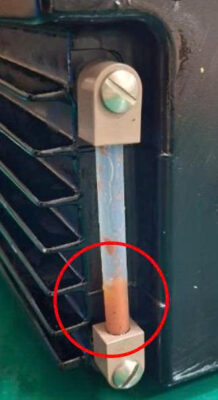
- Oil discoloration or darkening: The oil may have oxidized or become contaminated during operation.
- Moisture contamination or oil emulsification: This may indicate that moisture has entered the system.
- Visible particles or sludge: Dust, reaction by-products, and other contaminants can reduce oil quality.
- Reduced vacuum performance: If the required vacuum pressure cannot be achieved, inspect the oil and investigate other possible causes, such as air leaks, clogged filters, or pump wear.
- Scheduled maintenance intervals: Follow the oil replacement schedule specified in the manufacturer’s maintenance manual.
|
Actual vacuum pump oil after prolonged use, showing significant contamination. |
 |
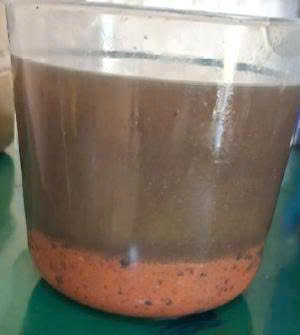
Oil color alone should not determine whether replacement is necessary. For applications involving semiconductor manufacturing, vacuum heat treatment, or industrial processes with moisture and chemical exposure, oil condition should be assessed carefully.
2. The 7-Step Vacuum Pump Oil Change Procedure
The following table summarizes the seven main steps for changing vacuum pump oil. Before starting, always consult the maintenance instructions for the specific pump model.
| Step | Main Task | Purpose |
|---|---|---|
| 1 | Warm the oil, if permitted by the manufacturer | Help the oil drain more easily |
| 2 | Stop the pump and isolate energy sources | Ensure maintenance safety |
| 3 | Drain the old oil | Remove degraded oil |
| 4 | Inspect and clean contaminants | Minimize residual contamination |
| 5 | Refill with the correct oil | Maintain proper lubrication and sealing |
| 6 | Restart the pump and check the oil level | Confirm the correct oil level |
| 7 | Check for leaks and evaluate performance | Verify operating condition |
Step 1: Warm the Oil Before Draining
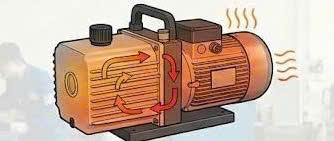
Cold oil generally has a higher viscosity, which can slow the draining process. Under certain conditions, warming the oil can help it flow out more easily.
Procedure:
- If permitted by the manufacturer’s instructions, operate the pump under the specified conditions to bring the oil to a suitable temperature.
- Prepare the necessary tools, an oil collection container, and appropriate personal protective equipment (PPE).
- Stop the pump before removing the drain plug.
Important: Do not apply a fixed operating time of 15–30 minutes to every pump model. The warming procedure and operating conditions must follow the manufacturer’s instructions. Never open the pump or drain the oil while components are excessively hot, as this may cause burns.
Step 2: Stop the Pump and Safely Isolate the System
Safety is essential before performing vacuum pump maintenance. Isolating energy sources helps prevent electric shock and unexpected pump startup.
Procedure:
- Stop the pump according to the prescribed shutdown sequence.
- Disconnect the power supply and apply Lockout/Tagout (LOTO) procedures.
- Isolate the pump from the connected piping system in accordance with the maintenance instructions.
- Verify that the system is in a safe pressure condition before removing any components.
Never loosen plugs or open piping connections while the system remains under potentially hazardous pressure.
Step 3: Drain the Old Vacuum Pump Oil
Used oil may contain moisture, particles, and degradation products accumulated during operation. Proper draining removes most of these contaminants.
Procedure:
- Place a suitable oil collection tray or container beneath the drain port.
- Open the drain plug or valve according to the manufacturer’s instructions.
- Allow the oil to drain until no significant amount remains.
- Inspect the used oil for unusual discoloration, visible particles, or signs of emulsification.
Important: Wear appropriate protective gloves and safety glasses. Avoid direct contact with hot oil and prevent spills in the maintenance area.
Step 4: Inspect and Clean Residual Contaminants
After draining the oil, inspect accessible areas around the drain port and other designated inspection points for residual deposits or abnormal conditions.
Procedure:
- Inspect for deposits around the drain area according to the maintenance manual.
- Clean only the components or internal areas that the manufacturer permits.
- Inspect the drain plug and sealing gasket. Replace them if damaged.
- Reinstall the drain plug and tighten it to the specified torque.
Important technical precaution: Do not use compressed air to blow into the oil filling port or pump chamber to remove deposits unless the manufacturer explicitly permits this procedure. Compressed air may introduce moisture or particles into the equipment or create inappropriate pressure conditions. For more extensive cleaning, use only the method specified by the manufacturer.
Step 5: Refill with the Correct Vacuum Pump Oil
Using the correct oil is essential for maintaining lubrication, sealing performance, and the vacuum performance specified for the pump.
Procedure:
- Identify the pump model and confirm the recommended oil type.
- Check that the new oil is clean and its container shows no signs of contamination.
- Slowly pour the oil into the filling port according to the manufacturer’s instructions.
- Check the sight glass or oil level indicator to confirm the correct filling level.
- Securely close the oil filling cap after refilling.
Do not assume that every pump should be filled to two-thirds of the sight glass. The correct oil level depends on the pump design and the inspection conditions specified by the manufacturer.
For ULVAC vacuum pumps, select oil based on the specific pump model and application rather than relying on the brand name alone.
Step 6: Restart the Pump and Check the Oil Level
After refilling, verify the oil level and operating condition before returning the pump to normal service.
Procedure:
- Ensure that the oil filling cap, drain plug, and all relevant connections are correctly installed.
- Restore the power supply in accordance with the applicable safety procedures.
- Start the pump according to the manufacturer’s operating instructions.
- Check the oil level under the specified inspection conditions. Depending on the model, the level may need to be checked while the pump is running or stopped.
- Add oil only if the level is below the permitted range.
Do not automatically stop the pump and add more oil without first confirming the correct oil-level inspection procedure. Overfilling can also affect pump operation.
Step 7: Check for Oil Leaks and Evaluate Pump Performance
The final step confirms that the oil change has been completed correctly and that the pump can return to safe operation.
Procedure:
- Inspect the drain plug, oil filling cap, and sealing gaskets for signs of leakage.
- Monitor operating noise, vibration, and temperature.
- Check the vacuum pressure under the specified test conditions.
- Record the maintenance date, oil type, and inspection results.
- If performance remains below the required level, investigate other potential causes, including air leaks, clogged filters, contamination, or worn components.
Not every loss of vacuum performance is caused by degraded oil. A comprehensive inspection of the pump and vacuum system is necessary to identify the root cause.
3. Important Precautions When Changing Vacuum Pump Oil
To maintain reliable performance and reduce the risk of equipment failure, industrial facilities should follow these precautions.
Use the Correct Oil Type
Do not mix different oil types without first confirming their compatibility. Differences in oil composition and properties may affect pump performance or compatibility with internal materials.
Follow the Recommended Oil Change Interval
There is no single oil change interval that applies to every vacuum pump. The appropriate interval depends on the pump model, oil type, operating load, and level of contamination.
Always prioritize the maintenance schedule specified in the manufacturer’s technical documentation. For systems exposed to moisture, chemicals, or dust, oil condition may need to be evaluated more frequently when required by the operating conditions or maintenance guidelines.
Prevent System Contamination
Keep the new oil, filling tools, and maintenance area clean. Contaminants introduced during an oil change can affect internal components and reduce equipment performance.
Dispose of Used Oil Properly
Used vacuum pump oil must be collected in a suitable container and handled in accordance with applicable environmental regulations. Never discharge used oil directly into drains or the natural environment.
4. ULVAC Vietnam: Vacuum Oil Supply and Pump Maintenance Support
Changing vacuum pump oil correctly is an important part of an effective preventive maintenance program. However, maintaining stable performance also requires regular inspection of the pump and the overall vacuum system.
ULVAC Vietnam supports industrial customers with vacuum equipment and system services, including:
- Technical consultation on selecting vacuum oil suitable for specific pump models and applications.
- Supply of ULVAC vacuum oils according to equipment requirements.
- Vacuum pump inspection, maintenance, and overhaul support.
- Technical assistance with vacuum performance issues, leaks, and abnormal operating conditions.
Vacuum oils such as ULVAC SMR-100, R-2, R-7, and SO-M should be selected according to the technical requirements of each application. Please confirm compatibility with the specific pump model before use.
Contact ULVAC Vietnam for advice on vacuum oil selection, preventive maintenance planning, and technical support tailored to your factory’s requirements.