In modern manufacturing, even an invisible micro leak can lead to serious consequences—from electronic component failure and fuel system hazards to reduced lifespan of air conditioning systems.
At ULVAC Vietnam, we provide advanced gas leak test technology that enables the detection of micro leaks, ensures product tightness, and enhances overall product quality.
1. What is Search Gas in Leak Test?
In leak testing, a search gas is a specially selected gas with small molecular size, high detectability, and safety characteristics. It is introduced into a test object to identify potential leakage points.
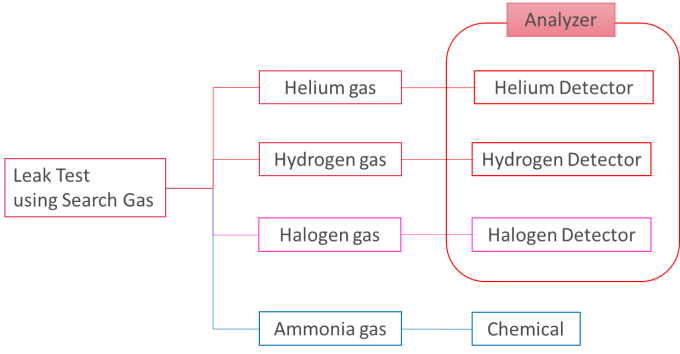
The most commonly used search gases include:
- Helium (He):
Considered the gold standard due to its extremely small molecular size, inert nature, and safety. It is capable of detecting the smallest leaks (micro-leaks). - Hydrogen (H₂):
A cost-effective option, typically mixed with nitrogen (5% hydrogen) to ensure safety and prevent flammability. - Halogen gases:
Widely used in HVAC applications for refrigerant leak detection. - Ammonia (NH₃):
Used with chemical indicators to visually identify leak points through color change reactions.
2. Main Leak Test Methods
2.1 Vacuum Leak Test Method
(Helium flows from outside into the test object)
In this method, the inside of the test object is first evacuated. Then, helium gas is applied externally. If a leak exists, helium enters the object and is detected by the leak detector.
Common techniques:
- Hood Method: Covers part or the entire object with helium gas
- Spray Method: Sprays helium onto suspected leak areas
Advantages:
- Extremely high sensitivity
- Capable of detecting ultra-small leaks
Applications:
- Vacuum equipment
- Semiconductor components
- High-sealing systems
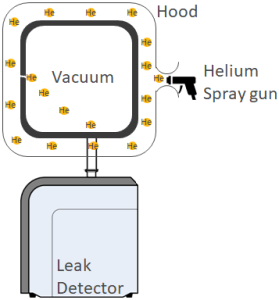
Hood Method |
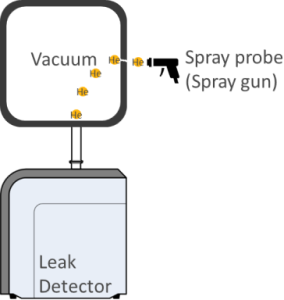
Spray method |
2.2 Pressurization Leak Test Method
(Helium flows from inside to outside)
In contrast, this method fills the test object with helium. If leakage occurs, helium escapes and is detected externally.
Common techniques:
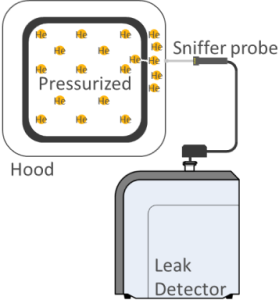
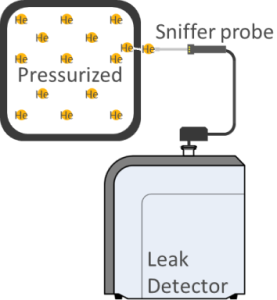
- Sniffer Method: Detects leaking gas using a probe
- Suction Cup Method: Captures leaking gas locally
- Vacuum Chamber Method: Detects leakage in a vacuum environment
- Pressure Accumulation Method: Collects leaked gas over time for detection
Advantages:
- Easy to implement
- Suitable for production line inspection
Applications:
- Automotive components
- Pressure vessels
- Air conditioning systems
|
Sniffer method |
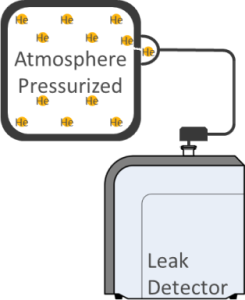
Suction cup method |
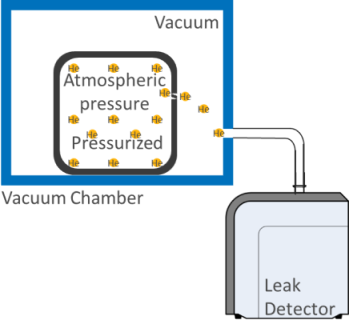
Vacuum Chamber method (Bell jar method/ Chamber method) |
Pressure accumulation method |
2.3 Bombing Leak Test Method
(Helium penetrates into and then escapes from the test object)
This method is specifically used for sealed components.
First, the product is placed in a pressurized chamber filled with helium, allowing gas to penetrate any existing leaks. Then, it is transferred into a vacuum chamber where escaping helium is detected.
Advantages:
- Ideal for sealed products
- High detection accuracy
Applications:
- Sealed electronic components
- Medical devices
- Hermetically sealed modules
3. Real-World Applications: ULVAC Leak Test Solutions Across Industries
ULVAC’s leak test solutions play a critical role in quality assurance across various industries in Vietnam:
Automotive & Electric Vehicles (EV)
- EV Battery Packs: Prevent water ingress and chemical leakage
- Safety Systems: Ensure reliability of airbags, braking systems, and fuel tanks
Electronics & Semiconductor
- Micro-components: Protect sensitive chips and sensors from moisture
- Consumer Devices: Ensure IP67/IP68 waterproof standards for smartphones and wearables
HVAC & Home Appliances
- Air Conditioners & Refrigerators: Detect refrigerant leaks to maintain optimal performance
Medical & Pharmaceutical
- Sterile Packaging: Ensure airtight sealing for vials, blister packs, and respiratory devices
4. Why Choose ULVAC Vietnam for Leak Test Solutions?
Investing in a professional leak test system is not only about quality control—it is also a long-term business strategy.
- Brand Protection: Ensure 100% product quality with zero defects
- Cost Efficiency: Reduce warranty, recall, and repair costs
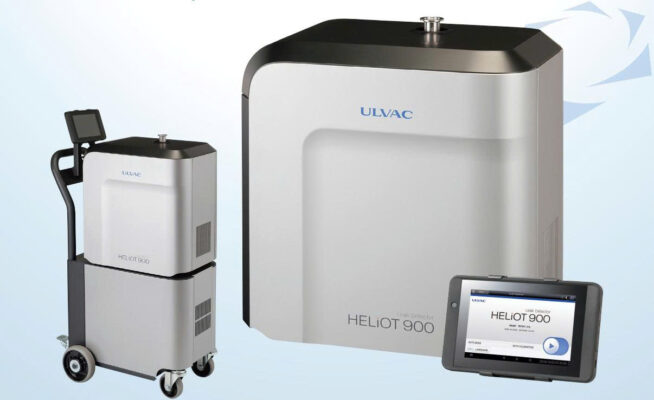
- Higher Productivity: ULVAC helium leak detectors offer high-speed inspection and seamless integration into automated production lines
- Local Expertise in Vietnam: With extensive project experience across major industrial zones, ULVAC delivers practical and effective solutions tailored to local manufacturing conditions
Conclusion
As manufacturing standards continue to rise, gas leak test technology has become essential for ensuring product integrity, safety, and reliability.
By adopting advanced leak testing solutions from ULVAC, businesses can enhance quality, reduce risks, and strengthen their competitive advantage.