A vacuum brazing furnace is widely used in industrial manufacturing, particularly in the automotive and air conditioning industries. It is also essential for manufacturing heat exchangers and various metal components.
To ensure stable and reliable operation, manufacturers need to perform regular maintenance. However, vacuum brazing furnace maintenance costs vary depending on several factors, including equipment configuration, vacuum pump condition, and the scope of maintenance work.
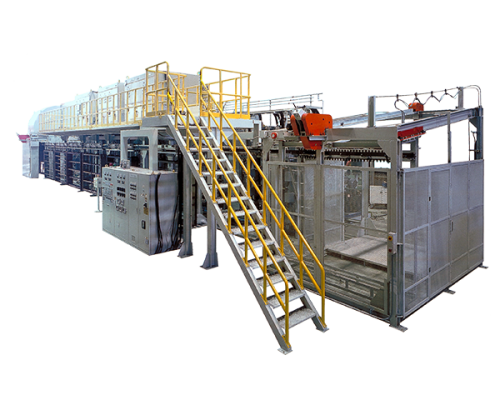
So, what maintenance expenses should manufacturers prepare for? And how can they reduce repair costs while minimizing equipment downtime? Let’s explore these questions in this article from ULVAC Vietnam.
1. What Does Vacuum Brazing Furnace Maintenance Cost Include?
There is no fixed price for vacuum brazing furnace maintenance. Each furnace has its own configuration and operating conditions. Therefore, manufacturers should assess the actual condition of their equipment before preparing a maintenance budget.
In general, maintenance costs include the following items.
1.1. Vacuum Pump Maintenance
Vacuum pumps are responsible for creating the vacuum environment inside the furnace chamber. Therefore, pump performance directly affects furnace operation.
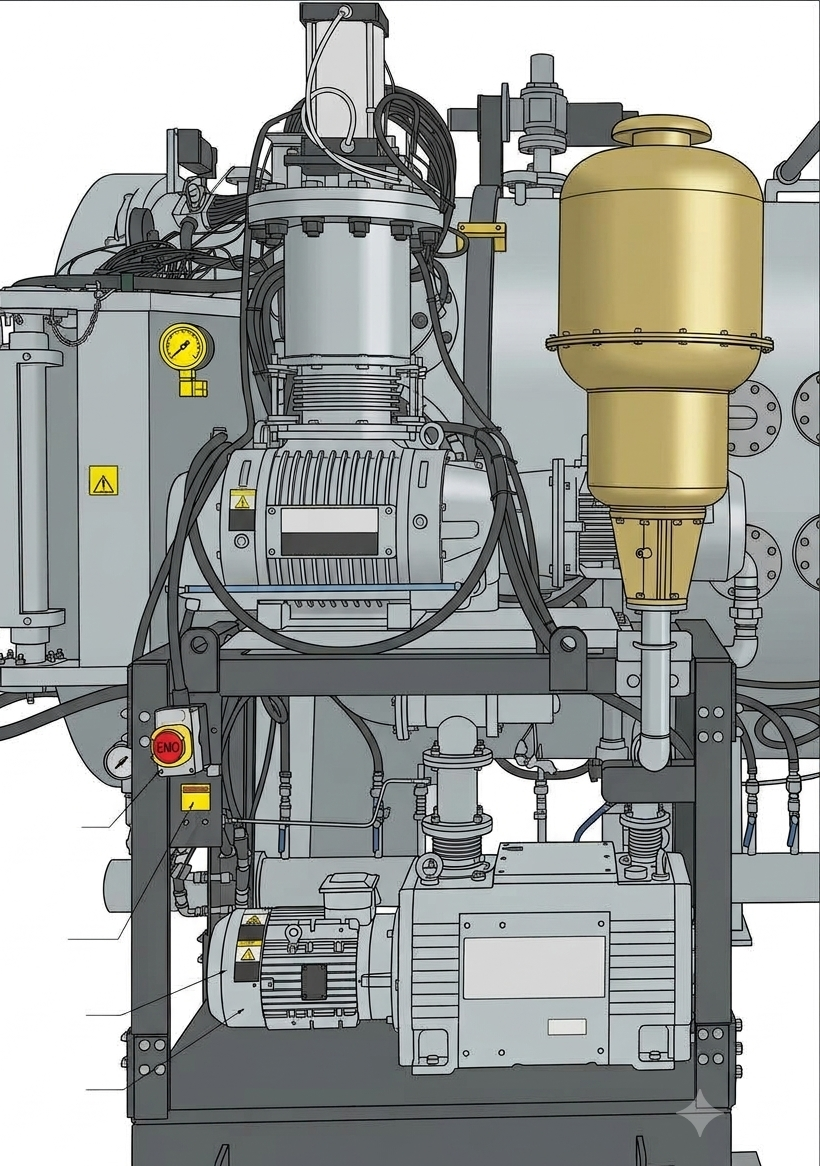
Typical vacuum pump maintenance tasks include:
- Inspecting overall pump operating conditions.
- Checking vacuum pump oil and filters according to technical requirements.
- Evaluating vacuum pumping performance.
- Checking for abnormal noise, vibration, and operating temperature.
- Replacing components when wear or damage is detected.
However, the actual cost depends on the pump type and the extent of any damage. Routine maintenance generally involves different tasks and costs compared with corrective repairs or a complete overhaul.
1.2. Vacuum System Leak Testing
System tightness is a critical factor in vacuum brazing furnace performance. If a leak occurs, the furnace may take longer to reach the required vacuum pressure.
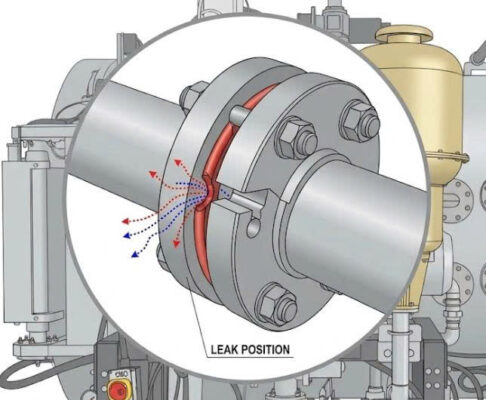
Technicians should inspect the following areas:
- Furnace door seals and sealing surfaces.
- Vacuum valves and piping.
- Flanges and connection points.
- Furnace chambers and other areas susceptible to leaks.
In addition, manufacturers may need specialized leak detection equipment to identify leaks accurately. The cost depends on the testing method and the complexity of the vacuum system.
1.3. Heating System Inspection
The heating system directly affects brazing quality. Therefore, it is another important area that requires regular inspection.
Maintenance and inspection tasks may include:
- Inspecting heating elements.
- Checking temperature sensors and measurement systems.
- Evaluating temperature controller performance.
- Inspecting relevant electrical connections.
- Verifying temperature uniformity when necessary.
Depending on the equipment’s condition, the work may involve inspection only or the replacement of certain components. A thorough assessment is therefore necessary before estimating the maintenance cost.
1.4. Consumables and Spare Parts Replacement
During operation, certain components may gradually wear out. For example, vacuum pump oil, filters, seals, and other sealing components should be inspected regularly.
However, not every component needs to be replaced during every maintenance session. Manufacturers should base replacement decisions on actual equipment conditions and the manufacturer’s recommendations.
This approach helps prevent unnecessary parts replacement while maintaining the equipment under appropriate operating conditions.
2. Factors Affecting Vacuum Brazing Furnace Maintenance Costs
To prepare an effective maintenance budget, manufacturers should consider several factors. The following five factors are particularly important.
2.1. Equipment Configuration and Capacity
Vacuum brazing furnaces differ in design and configuration. Some systems incorporate multiple pumping stages and automated valves, which may require additional inspection time.
Furthermore, the required operating temperature and vacuum level can affect the scope of maintenance work. Therefore, maintenance costs should be estimated individually for each system.
2.2. Vacuum Pump Condition
An underperforming vacuum pump can increase pump-down time. In some cases, the system may also fail to reach its target pressure.
When this happens, technicians need to identify the root cause before carrying out repairs. The problem may originate from the pump, valves, or piping. However, a single abnormal symptom is not sufficient to determine the exact cause.
Early detection allows manufacturers to plan corrective actions in advance. Conversely, leaving a problem unresolved may increase the scope and cost of subsequent repairs.
2.3. Operating Frequency and Maintenance History
Equipment operating continuously may require more frequent inspections. However, the appropriate maintenance interval should be determined according to the manufacturer’s recommendations and actual operating conditions.
In addition, maintenance records help technicians identify deterioration trends. Manufacturers should keep records of operating parameters, maintenance activities, and replaced components.
This information supports more accurate maintenance planning and helps the engineering team prepare budgets for future maintenance cycles.
2.4. Scope of Maintenance Work
Maintenance costs depend significantly on the scope of work. In general, manufacturers should distinguish between three main types of service.
- Preventive maintenance: Equipment inspection, cleaning, and routine servicing.
- Corrective maintenance and repairs: Troubleshooting and resolving equipment faults.
- Overhaul: Detailed inspection, refurbishment, or replacement of major components.
An overhaul generally involves a broader scope of work than routine maintenance. However, the actual cost still depends on the equipment’s condition and the number of components requiring replacement.
2.5. Equipment Downtime
Vacuum brazing furnace maintenance costs include more than labor and spare parts. For factories with continuous production schedules, equipment downtime is another important consideration.
For example, a vacuum pump failure may extend the production cycle. If the furnace must be shut down completely, the manufacturer may also face delayed deliveries and production schedule disruptions.
Therefore, manufacturers should evaluate both direct maintenance expenses and the potential impact on production. This approach helps them select a maintenance strategy that better meets their operational requirements.
3. Why Is Regular Vacuum Brazing Furnace Maintenance Important?
Regular maintenance helps manufacturers proactively manage equipment conditions and identify potential problems before they develop into more serious failures.
3.1. Reduce the Risk of Major Equipment Failures
Routine inspections can help identify issues involving vacuum pumps, valves, and seals. This allows manufacturers to address problems before they significantly affect production.
However, maintenance cannot eliminate all equipment failure risks. Factories should therefore continue monitoring operating parameters during normal production.
3.2. Improve Production Planning
A well-defined maintenance schedule enables the engineering team to coordinate more effectively with production personnel. Manufacturers can also prepare the necessary manpower, spare parts, and maintenance windows in advance.
This helps reduce unplanned downtime and makes production schedules easier to manage.
3.3. Maintain Vacuum System Performance
An efficiently operating vacuum system helps the furnace achieve the required pressure under its specified operating conditions. In contrast, declining pumping performance may increase pump-down time.
Manufacturers should therefore monitor pump-down time and operating pressure. If abnormal changes occur, the engineering team should investigate the underlying cause.
3.4. Control Long-Term Maintenance Budgets
Planned maintenance helps manufacturers forecast expenses more effectively. It also allows factories to prepare spare parts and schedule equipment downtime in advance.
Rather than waiting for equipment failures before taking action, manufacturers should develop maintenance budgets based on operating data and equipment history. This makes resource allocation more proactive and predictable.
4. How to Optimize Vacuum Brazing Furnace Maintenance Costs
Manufacturers can implement the following measures to manage maintenance budgets more effectively.
4.1. Develop an Appropriate Maintenance Plan
First, manufacturers should establish inspection intervals based on the equipment manufacturer’s recommendations. The maintenance plan should then be adjusted according to operating frequency and actual equipment conditions.
For example, if pump-down time increases unexpectedly, technicians should inspect the vacuum system promptly. They should not wait until the furnace can no longer achieve the required pressure before taking action.
4.2. Monitor Operating Parameters
Operating data helps manufacturers identify abnormal changes before they lead to more serious problems. Key parameters to monitor include:
- Time required to reach the target vacuum pressure.
- Ultimate pressure and the ability to maintain vacuum conditions.
- Vacuum pump operating temperature and noise levels.
- Heating cycle duration.
- Equipment faults and component replacement history.
In addition, maintaining historical operating data makes it easier for technicians to compare performance over time. This provides a more reliable basis for determining when inspections or maintenance are necessary.
4.3. Prepare Essential Spare Parts
Some spare parts have long procurement lead times. Manufacturers should therefore identify components that are critical to production and plan their availability accordingly.
However, excessive inventory can increase storage and working capital costs. Factories should balance component criticality, lead time, and actual consumption when determining appropriate spare parts inventory levels.
4.4. Choose a Service Provider with Vacuum Technology Expertise
A vacuum system consists of multiple interconnected components and devices. Identifying the correct root cause is therefore essential before carrying out repairs.
A service provider with relevant vacuum technology expertise can help inspect vacuum pump conditions and evaluate overall system performance. Manufacturers should also request a transparent quotation that clearly specifies labor charges, spare parts, and the scope of work.
5. When Should a Vacuum Brazing Furnace Be Inspected?
Manufacturers should consider inspecting their equipment when any of the following symptoms occur:
- Pump-down time becomes unusually long.
- The system cannot reach or maintain the required vacuum pressure.
- The vacuum pump produces abnormal noise or vibration.
- Operating temperatures show unusual changes.
- Brazing quality deteriorates for no immediately apparent reason.
- The equipment reaches its scheduled maintenance interval according to the manufacturer’s recommendations.
However, these symptoms alone are not sufficient to identify the exact cause of a problem. For example, brazing quality may also be affected by material properties, temperature conditions, and the brazing process itself.
Manufacturers should therefore conduct a comprehensive inspection before deciding on repairs. Accurate troubleshooting helps prevent unnecessary component replacement and additional maintenance expenses.
6. ULVAC Vietnam – Technical Support for Industrial Vacuum Systems
ULVAC Vietnam not only supplies vacuum equipment but also provides technical support to help manufacturers maintain and operate their vacuum brazing furnaces reliably.
Through our local service capabilities in Vietnam, we support customers with vacuum brazing furnace maintenance, equipment inspection, and technical troubleshooting. Our services aim to maintain equipment performance, support stable brazing processes, and minimize unplanned downtime.
Contact ULVAC Vietnam Today for Technical Consultation!
ULVAC Vietnam – Supporting manufacturers in maintaining the performance and reliability of industrial vacuum systems.